
By 10Pearls editorial team
A global team of technologists, strategists, and creatives dedicated to delivering the forefront of innovation. Stay informed with our latest updates and trends in advanced technology, healthcare, fintech, and beyond. Discover insightful perspectives that shape the future of industries worldwide. Top AI Software Development Companies


| Company | Headquarters | Year founded | # of employees | Notable attributes |
1 10Pearls  | Vienna, Virginia, USA | 2004 | 1,000-5,000 | Recognized for its knowledge and experience in developing comprehensive AI solutions and digital transformation services, 10Pearls has a strong global presence and diverse client base. |
| 2 ElementAI | Montreal, Canada | 2016 | 250-500 | Renowned for its cutting-edge research and AI products across multiple industries. Acquired by ServiceNow, it has a global impact. |
| 3 LeewayHertz | San Francisco, California, USA | 2007 | 200-250 | Known for delivering AI solutions focusing on enterprise clients, leveraging years of experience in technology and innovation. |
| 4 AIBrain | Palo Alto, California, USA | 2012 | 51-200 | Known for its work in cognitive AI and innovative integration of AI with robotics and augmented reality, setting a high standard for human-centric AI technologies. |
| 5 Valiance Solutions | Gurugram, India | 2012 | 51-200 | Specializes in AI and machine learning, particularly in predictive analytics and data science, with a strong track record in various sectors. |
| 6 eSparkBiz | Ahmedabad, India | 2010 | 51-200 | Offers customized AI solutions, known for their affordability and flexibility, serving various industries from startups to enterprises. |
| 7 EliseAI | New York, New York, USA | 2017 | 51-200 | Focuses on conversational AI and automation, providing high-quality AI-driven customer service solutions, especially in the real estate sector. |
| 8 DataSight Innovations | New Delhi, India | 2015 | 11-50 | Excels in data analytics and AI, offering advanced solutions for data-driven decision-making, though more niche compared to larger competitors. |
| 9 Markovate | Toronto, Canada | 2015 | 11-50 | Provides AI and machine learning development with an emphasis on mobile and web applications, strong in innovative app development. |
| 10 DataToBiz | Chandigarh, India | 2018 | 51-200 | Specializes in data-driven AI solutions, particularly in data visualization and analysis, but less diversified in AI applications compared to higher-ranked firms. |
Data source: Clutch.co and provider websites.

Company Size: 1,000-5,000
Year Founded: 2004
Headquarters: Vienna, VA, USA
Specialties: Custom AI solutions, machine learning, natural language processing, computer vision, AI-driven enterprise applications, DevOps, and agile software development & QA services across industries.
Website: 10Pearls.com 

Empower your business
with artificial intelligence
Cut through AI hype - future-proof your business with AI

Company Size: 250-500
Year Founded: 2016
Headquarters: Montreal, Canada
Specialties: AI solutions and enterprise applications.
Website: ElementAI Website

Company Size: 200-500
Year Founded: 2007
Headquarters: San Francisco, California, USA
Specialties: AI solutions, blockchain development, IoT solutions, mobile and web app development, cloud computing, and enterprise software development.
Website: LeewayHertz Website

Company Size: 51-200
Year Founded: 2012
Headquarters: Palo Alto, California, USA
Specialties: AI solutions, blockchain development, IoT solutions, mobile and web app development, cloud computing, and enterprise software development
Website: AIBrain Website

Company Size: 51-200
Year Founded: 2012
Headquarters: Gurugram, India
Specialties: AI and machine learning, predictive analytics, data science, deep learning, and computer vision solutions.
Website: Valiance Solutions Website

Company Size: 51-200
Year Founded: 2010
Headquarters: Ahmedabad, India
Specialties: Custom AI solutions, software development, web and mobile app development, cloud services, and digital transformation.
Website: eSparkBiz Website

Company Size: 51-200
Year Founded: 2017
Headquarters: New York City, New York, USA
Specialties: Conversational AI, AI-driven automation, natural language processing, customer service automation, and real estate technology solutions.
Website: EliseAI Website

Company Size: 11-50
Year Founded: 2015
Headquarters: New Delhi, India
Specialties: Data analytics, AI solutions, big data processing, data visualization, and decision support systems
Website: DataSight Innovations Website

Company Size: 11-50
Year Founded: 2015
Headquarters: Toronto, Canada
Specialties: AI and machine learning, mobile and web app development, digital product strategy, and user experience design.
Website: Markovate Website

Company Size: 51-200
Year Founded: 2018
Headquarters: Chandigarh, India
Specialties: AI and machine learning, data visualization, data analytics, business intelligence, and custom AI solutions for various industries.
Website: DataToBiz Website


Advanced technology
Digital Transformation in the Energy Industry – A Practical Roadmap
What does it take to move digital transformation in energy beyond pilots? Explore the key barriers and a practical roadmap for putting data, AI, and new technology to work.
AI/ML
Understanding the uses of AI in energy sector
This blog explores how AI is transforming the energy sector, the opportunities it offers in various energy domains, and what it takes to run AI on energy data.
Software development
Top 10 offshore software development companies (2026)
A detailed comparison of top ten offshore software development companies across dimensions like delivery model, costing, and engineering depth.

AI/ML
Top AI-Powered Software Testing Companies
Compare the top AI-powered software testing services and learn how automation, self-healing tests, and AI-augmented QA de-risk enterprise releases.
AI/ML
Corporate AI Implementation Failure – Role of Leadership
Most enterprises now share the same models and tools, so why does AI still fail? The gap is leadership: prioritization, ownership, and governance, not better technology.
Mobile app development
In-House vs Outsource Mobile App Development: What’s Best?
Every mobile app starts with one decision: build in-house or outsource. We break down the real costs, tradeoffs, and the questions that determine which model is right for you.

AI/ML
Outcome Based Pricing in Digital Engineering
AI is making outcome-based pricing more viable, but success still depends on clear metrics, shared accountability, and disciplined execution.
AI/ML
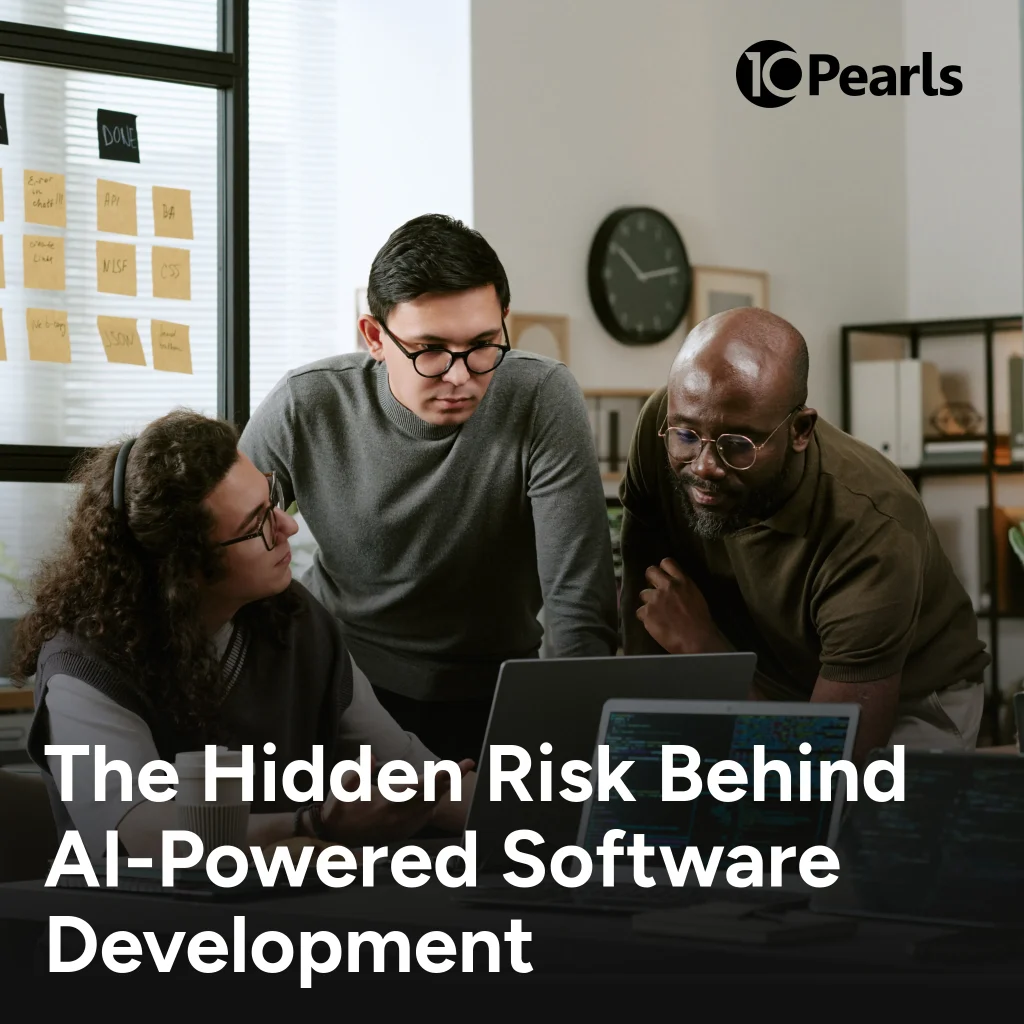
The Hidden Risk Behind AI-Powered Software Development
AI coding tools are accelerating development, but code review, governance, and quality assurance aren't keeping pace. Learn how enterprises can scale AI development responsibly.

Software development
Top Software Development Companies
This article compares the top 10 software development companies for 2026. The rankings are based on the average review rating on Clutch

Software development
Software Development Challenges and Solutions for Modern Enterprises
Discover the top software development challenges enterprises face, legacy systems, security, talent shortages, and proven solutions to overcome them.