Why personalized UI/UX will define app success in 2025
We have surpassed the days where tech companies could use a one-size-fits-all approach toward their user base. Whether it’s in the form of tailored content or custom solutions, consumers demand seamless and personalized experiences.
AI-powered personalization is now shaping how users interact with mobile apps in a way that is getting higher engagement and more customer loyalty. This completely makes sense as mobile apps now account for almost 90% of smartphone usage, further cementing their relevance in our daily lives.
Deploying effective UI/UX, along with AI’s ability to predict user preference will become the key differentiator for many businesses.
Why mobile app development is positioned for explosive growth
Emerging AI-driven innovations transforming mobile apps
With AI causing a major shift in the mobile app development landscape and setting new benchmarks for innovation, mobile features like predictive analytics, voice assistance, and augmented reality are not only just being leveraged to enhance functionality, but also to elevate and redefine user experiences. The opportunities for innovation have expanded and are applicable in various ways:
Super apps
By providing a one-stop solution for shopping, communication, payment, entertainment, and even food delivery, AI-integrated super apps have completely changed the way users engage with digital services. Apps such as WhatsApp and Uber use AI to customize user experience and optimize their services, offering advanced data analytics and predictive insights. Super apps simplify daily tasks, and their growing adoption is not only reshaping consumer behavior but also setting new benchmarks for global app development.
Computer vision
Many industries have been transformed by the impact of AI-powered computer vision technology. While we’ve seen early applications in the form of facial recognition and object detection tools, we are starting to see more comprehensive use cases across our healthcare software solutions, automotive industry, and even real estate solutions.
This technology enables systems to analyze images and videos, extracting actionable insights with remarkable precision and speed. 10Pearls recently developed an AI-powered computer vision solution that allows real estate businesses to appraise properties with immense efficiency, significantly reducing man-hours and operational costs while improving accuracy.
IoT-enabled apps
Similar to how smart home applications like Google Nest use AI to adjust the temperature in your home and learn living preferences, health-related apps like Fitbit and Apple Health use IoT sensors to monitor your vitals in real-time, equipping you with the tools to manage your health better.
Even in the field of logistics, Tesla’s Autopilot and Amazon’s Alexa use AI and IoT for autonomous driving, unmanned deliveries, and processing sensor data to make more informed decisions. AI integration has even found its way to farming with companies such as John Deere, which use precision farming to kill weeds without wasting any herbicide.
By creating real-time, intelligent, and personalized user experiences that drive innovation and efficiency, IoT apps are transforming day-to-day operations for many industries.
Health and fitness apps
AI-driven health apps are also making a significant impact in healthcare, driving user engagement while providing patients with quality healthcare support and value. The digital health market is growing rapidly, projected to reach $1 trillion by 2030, driven by advancements in AI technologies and user demand for efficient, data-driven healthcare solutions. Mobile apps like Ada Health use AI to identify symptoms and provide medical guidance, while MyFitnessPal uses AI technology to track your nutritional intake and fitness goals.
SkinVision is another innovative example that uses AI to detect early-stage skin cancer through image analysis. These apps have been groundbreaking as they don’t just offer personalized care and early intervention but also provide accessibility to those who might not have the resources to find adequate healthcare.
10Pearls recently developed a fully automated acute-care telemedicine solution for Amwell, which consolidates member health, streamlining access to essential patient information and reducing the need for clinicians to navigate multiple platforms, ultimately enabling more effective treatment planning.
Mobile wallets and fintech apps
AI has had a significant impact on the financial industry. Mobile wallets and fintech apps have changed how people manage their money and make transactions. By leveraging machine learning and predictive analysis, apps like PayPal, Cash App, and Revolut have been offering personalized financial insights, fraud detection, and seamless payments.
Now users can use AI for smarter budgeting, real-time spending alerts, customized credit offers, and informed financial decisions. Cash App has simplified investing for users through predictive market analysis while PayPal’s AI detects suspicious activity in an instant.
By adopting this tech, many financial institutions have gained a competitive advantage and reshaped markets with unmatched efficiency and convenience.
Overcoming challenges in mobile app development
While the opportunities are immense, there are still significant challenges to consider in mobile app development.
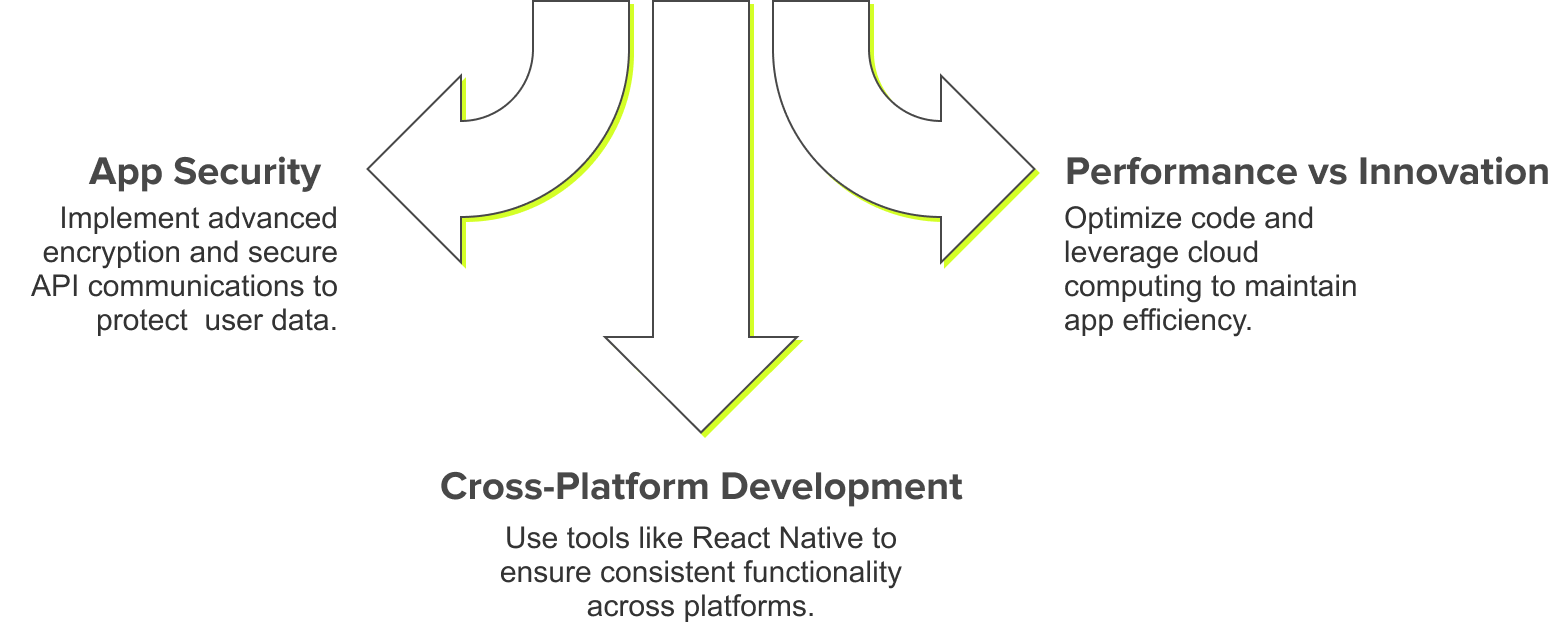
App security
Ensuring your apps are secure remains one of the most critical aspects of mobile app development. With the rise of AI-powered applications, sensitive user data such as financial and health records face risk from cyber threats, data breaches, malware, or phishing attacks. Developers have to integrate advanced level encryption, secure all API communications, and regularly carry out vulnerability assessments in order to safeguard their applications.
The growing use of IoT-enabled apps can further amplify the risk of a potential attack, demanding robust multi-layered security frameworks. By balancing innovation with stringent security measures, developers can ensure they are safeguarding user data and preventing any breaches that could erode user trust. As the mobile landscape evolves, staying proactive against emerging threats is crucial to delivering secure and reliable experiences.
Balancing performance with innovation
As users continue to expect seamless and high-speed functionality, developers must integrate new and cutting-edge features without compromising on app efficiency. High-tech functionality like AR and real-time data processing require significant computational power, which can put a lot of strain on devices and networks.
To achieve an optimal balance, developers must optimize code, leverage cloud computing, and conduct performance testing that ensures both speed and scalability. Developers also need to take into account varying device capabilities in order to maintain a consistent experience for all users across platforms.
Cross-platform development
With many users utilizing multiple devices, cross-platform development has become a critical component of mobile app development services, enabling businesses to balance user experience, performance, and cost-efficiency across diverse platforms app development like iOS app development and Android app development.
Cross-platform development is an effective strategy for maximizing reach and performance. Tools such as React Native and Flutter allow developers to create applications for multiple platforms by utilizing shared codebases, but ensuring consistent functionality and aesthetic across devices is still complex. Many devices have specific compatibility issues and varying performance standards, which can further complicate matters.
Apps that changed entire industries
Uber: Revolutionizing ride hailing with AI
Duolingo: Making language learning accessible
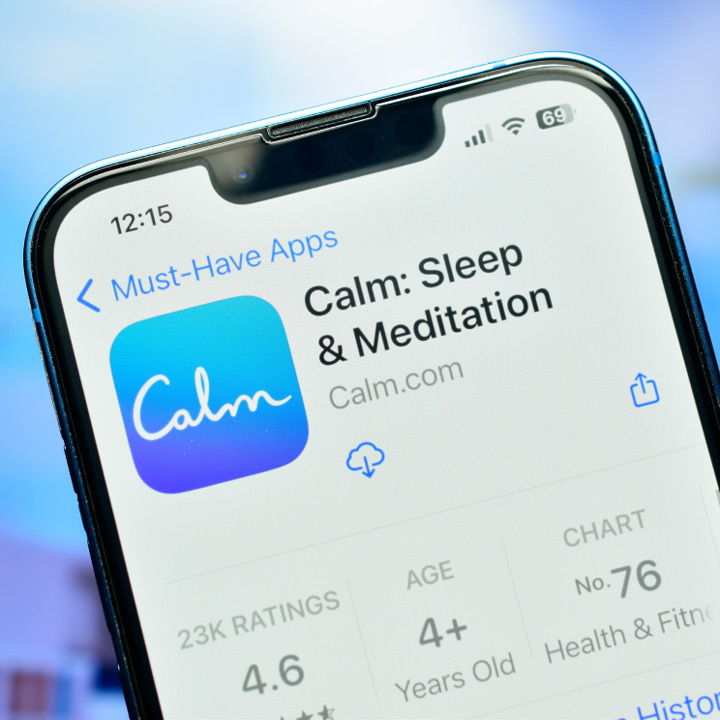
Calm: Personalized wellness through AI
These examples highlight how AI has transformed everyday apps into powerful tools for personalization, engagement, and growth. For businesses looking to innovate, these success stories underscore the importance of embracing AI-driven strategies to meet and exceed consumer expectations.