Transportation & Logistics Software Development Services
Transform complex transportation operations with connected, AI-augmented software that improves visibility, decision-making, efficiency, and operational resilience.
Engineer connected, intelligent transportation & logistics operations
We help transportation and logistics businesses improve productivity, strengthen service performance,
and manage costs through technology designed around their operational requirements. We bring together product engineering, data, cloud, AI, and integration expertise to turn fragmented systems and workflows into connected transportation, fleet, warehouse, and supply chain operations. Whether modernising an existing platform or developing a new digital product, we help organizations improve asset utilisation, increase operational capacity, and make better-informed decisions.
Trusted by leading enterprises




Our transportation & logistics software development services
Our custom software development for logistics connects the systems, data, and workflows behind critical transportation operations, helping enterprises automate work, improve real-time decisions, and scale without adding operational complexity.
Transportation management system (TMS) development
Strengthen freight planning and execution with a TMS that streamlines coordination and shipment execution as freight moves through the network.
Fleet management software development
Improve fleet utilisation and reduce operational disruption with fleet software that gives dispatchers a clear view of vehicle activity, driver operations, and maintenance needs.
Warehouse management system development
Improve fulfilment and inventory control with software built around warehouse operations, helping teams keep receiving, picking, and inventory movement on track.
Route optimisation & dispatch
Enhance fleet capacity and delivery performance with dispatch tools that account for changing conditions and help teams adjust routes accordingly.
Supply chain visibility & logistics analytics
Get a clearer view of supply chain performance with connected operational data that makes delays and recurring issues easier to identify and address before they affect service.
Logistics & transportation app development
Improve coordination across the operation with mobile and web apps that put relevant shipment information and workflows in the hands of drivers, customers, partners, and field teams.
Agentic AI for logistics
Enable intelligent action with AI agents that monitor operational activity, gather relevant context, and recommend or initiate workflows while maintaining required human oversight.
Systems integration & EDI
Create connected logistics operations by integrating TMS, WMS, ERP, telematics, EDI, carrier, and partner systems so critical data moves reliably across the enterprise and external network.
Freight audit & payment automation
Gain better control over freight costs and billing accuracy with automated audit and payment workflows, while consolidated shipment and invoice data make discrepancies easier to identify.
Turn operational challenges into scalable logistics solutions
Tell us about your workflows, systems, and goals. We’ll map the right path to build, extend, or integrate custom logistics software, with a phased plan to get there.
Transportation industry challenges we solve
Our transportation IT solutions address the operational challenges that affect efficiency and decision-making across the business.
Disconnected systems & data silos
Connect fragmented logistics systems so teams can work from consistent information across operations, finance, customer service, and external partners.
Limited real-time visibility
Give operations teams earlier insight into shipment activity so they can address delays and exceptions before they disrupt delivery.
Rising costs & thin margins
Improve control over freight and capacity decisions as changing volumes, routes, and operating conditions put pressure on transportation costs.
Legacy platforms that cannot scale
Modernise ageing technology to meet operational needs while preserving the systems and integrations teams rely on every day.
Manual, paper-heavy workflows
Replace repetitive administrative work with digital processes that help information move through the operation without constant manual intervention.
Compliance & cybersecurity pressure
Strengthen logistics environments with security and governance built into the systems, data flows, and operational processes that keep the network running.
Benefits of custom logistics software solutions
Custom logistics software gives transportation businesses greater control over the work behind every shipment, from planning and fulfilment to billing and customer delivery.
Lower freight & transportation costs
Reduce transportation spend by optimising routes and capacity, minimizing empty miles and avoidable charges, and improving visibility into freight cost drivers.
Real-time supply chain visibility
Shipment and operational data come together in one view, giving teams earlier insight into delays and the information needed to respond.
Automated freight billing & audit
Freight charges can be checked against shipment records before payment, making discrepancies easier to catch and reducing manual reconciliation work.
Higher warehouse accuracy & throughput
Better-connected warehouse workflows keep inventory information and fulfillment activity in sync, helping teams maintain accuracy as order volumes increase.
On-time delivery & better customer service
Clearer shipment information gives teams more confidence when communicating delivery expectations and responding when plans change.
Custom logistics software vs. off-the-shelf platforms
Buying a platform, extending one, or building from the ground up can each make sense. The choice comes down to how closely the technology needs to fit your processes, integrations, and long-term plans.
| Decision factor | Off-the-shelf platform | Extend and integrate a platform | Custom build |
|---|---|---|---|
| Best for | Standard processes and faster rollout | A strong core platform with meaningful gaps | Differentiated workflows or a product you sell |
| Time to first value | Usually fastest | Moderate | Usually longer, with phased releases possible |
| Fit with unique workflows | Within vendor capabilities | High where extensions are supported | Designed around your requirements |
| Legacy and partner integration | Available connectors plus custom work where needed | Custom integrations around the core | Designed into the architecture |
| Control and differentiation | Shaped by vendor roadmap | Shared between platform and your extensions | Full control over product and roadmap |
| Cost profile over time | Recurring licence or subscription costs | Platform costs plus extension upkeep | Higher initial investment plus ongoing infrastructure and maintenance |
AI in transportation & logistics
The value of AI in transportation is in helping to improve decisions made across planning, execution, and exception management. Our AI consulting services help transportation businesses identify use cases where AI can deliver meaningful value within their operations.
Predictive ETAs
Improve delivery predictability by using AI to interpret live and historical trip data. Also use AI and ML to identify patterns that signal potential delays and adjust arrival estimates as road conditions change.
Dynamic route optimisation
Make better use of fleet capacity as conditions change throughout the day. AI can reassess route plans when demand, traffic, or service requirements shift.
Predictive maintenance
Reduce unplanned downtime by identifying early signs of equipment issues. AI can analyse operational and maintenance data to help teams determine where attention is needed first.
Demand & capacity forecasting
Plan capacity with greater confidence as shipment volumes fluctuate. AI forecasting can help teams anticipate demand changes and make better-informed resource decisions.
Document AI
Reduce the effort required to process logistics documents and move information into business systems. AI can extract relevant data and flag records that require human review.
AI agents for exception management
AI agents can monitor shipment activity and surface exceptions as they emerge. They can prepare relevant follow-up actions for operations teams to review before anything moves forward.
Determine where AI can deliver value in transportation
Our AI readiness assessment identifies where AI can create the most value for your logistics operation and gives you a practical starting point based on the data you already have.
Transportation & logistics sectors we serve
Our logistics IT solutions are tailored to the operating models, systems, and customer demands across the transportation and logistics industry, including:
- Trucking and freight transportation
- Freight brokers and third-party logistics (3PL)
- Shippers, manufacturers, and distribution networks
- Fleet and commercial transportation
- Last-mile, parcel, and courier delivery
- Taxi, ride-hailing, and passenger mobility
- Public transit and transportation agencies
- Ports, maritime, and intermodal transportation
Why choose us as your logistics software development company
As a transportation software development partner, we combine transportation domain knowledge with product, AI, data, cloud, and software engineering expertise to help enterprises build, integrate, and modernise the technology behind complex logistics operations.
AI-native from strategy to production
Leverage AI and data across planning, forecasting, routing, maintenance, and exception management to improve decisions and automate workflows.
Deep logistics domain expertise
Our teams understand the realities of freight, fleet, warehouse, and last-mile operations, shaping software around how logistics businesses actually work.
Integration across your ecosystem
Connect transportation platforms with enterprise systems, devices, and partner networks to give critical data a clear path across the technology ecosystem.
Modernisation that fits your operation
Modernise legacy transportation platforms in practical phases while minimising disruption of the systems and integrations your operation depends on.
Security built into the platform
Security is built into the technology lifecycle, backed by ISO 27001 and other industry-recognised certifications that help protect operational and customer data.
Global engineering capacity
Extend capacity with product and engineering experts who work within your existing team structure and adapt as your technology needs and priorities change.
Our logistics & transportation software development process
Find the right use case
Focus on high-value
operational challenges worth solving, using your workflows, systems, and business priorities to define what the product needs to achieve.
Design around how work gets done
Shape the experience and architecture around how teams, systems, and partners actually work, validating key workflows before development begins.
Engineer for the environment you have
Development accounts for the systems already running your operation. Integration and testing happen early so issues surface while there is still time to address them.
Launch with a clear path forward
A phased rollout gives teams time to validate the solution in real operating conditions, with ongoing support and managed services available as the product evolves.
Our transportation case studies
case study - transportation
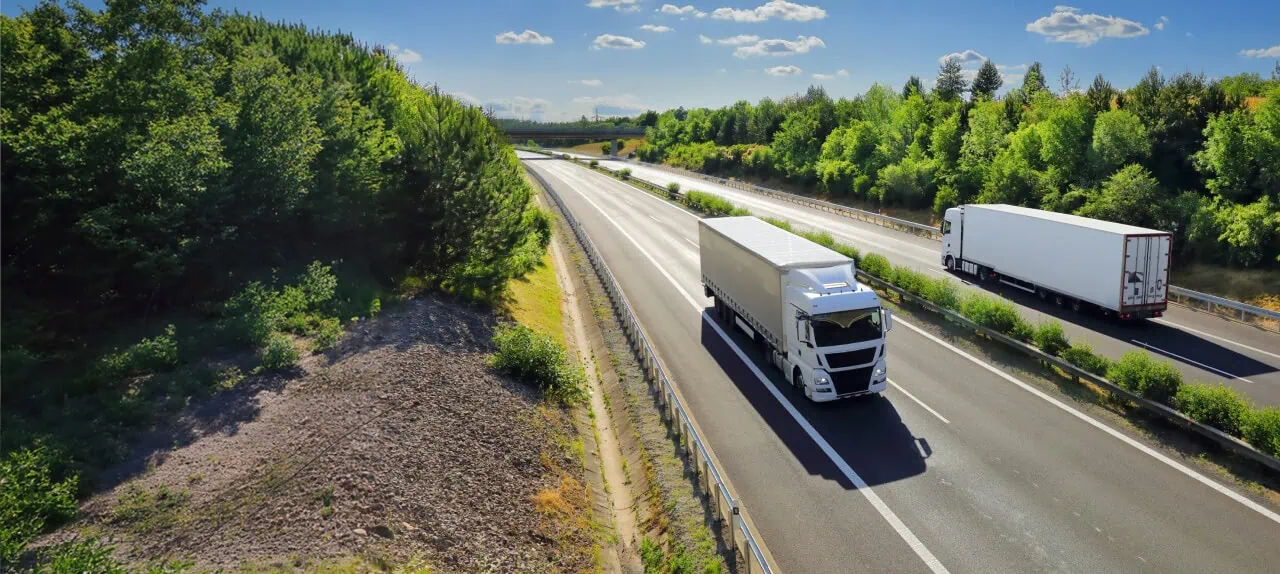
Transforming a Fleet Services Business into a Technology Company
Improve fleet service coordination by connecting operators and service providers through AI-powered routing and digital tools for maintenance teams.
case study - transportation
Modernising the Taxi Services with Mobile Ride Scheduling
Improve access to city taxis through mobile ride booking, in-app payments, and dedicated apps for passengers and drivers.

Insights

AI/ML
Logistics and transportation part 2: Why you need to modernize—fast
In this post, we’ll continue discussing why modernization is more critical than ever for the logistics and transportation industries.

Software development
Software Development Challenges and Solutions for Modern Enterprises
Discover the top software development challenges enterprises face, legacy systems, security, talent shortages, and proven solutions to overcome them.
AI/ML
AI Governance Checklist: 9 Controls to Enforce
AI now writes a large share of production code, and it does not just change how software is built, it...
Build intelligent transportation systems that scale
Bring software, data, integration, and AI together to improve real-time decisions and create a stronger technology foundation for growing logistics operations.
FAQs about our transportation & logistics software development services
What is logistics software development?
Logistics software development means creating digital solutions that help businesses manage the movement of goods, vehicles, information, and payments. These solutions can support transportation, warehousing, fleet management, shipment tracking, and other logistics operations.
What types of transportation and logistics software do you build?
We develop software for transportation planning, fleet operations, warehouse management, routing, dispatch, shipment visibility, driver and customer experiences, and freight audit. We also modernise existing platforms and connect them with the systems, data sources, and partners already supporting your operation.
How much does custom logistics software development cost?
Custom logistics software costs vary with the product scope, integrations, data environment, user requirements, and rollout plan. Discovery helps establish the business case and technical scope and then separates the work into practical phases so you can budget for development with greater clarity.
How long does it take to build a transportation management system?
The time required to build a transportation management system depends on the workflows, integrations, and level of customisation involved. Starting with a defined operational need can bring the first release forward while leaving room for additional capabilities.
How do you support ELD, hours of service, and data security requirements?
We account for ELD, hours-of-service, data access, security, and audit requirements during solution design. The software can incorporate relevant data sources and controls while keeping operational records accessible to authorised users and giving compliance and security teams visibility into how requirements are handled.